
Start With the Basics
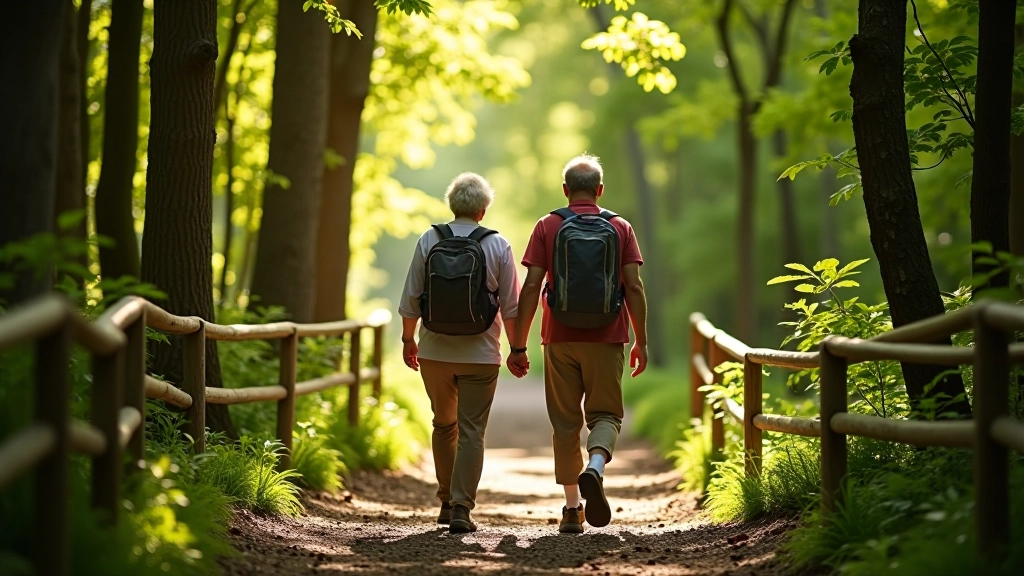
Thing is, you don't need to spend hundreds of euros on fancy hiking equipment. We've seen people tackle the Kokořínsko gorges in basic trainers and a backpack they already own at home. What matters isn't the brand or the price tag — it's whether your gear actually does its job.
After working with hundreds of hikers over the past decade, we've learned what really makes a difference on the trail. Some items are non-negotiable. Others? You can skip them entirely. Let's walk through what you actually need.
The Reality
Most hikers succeed with just three things: proper shoes, water, and common sense.
Footwear is Everything
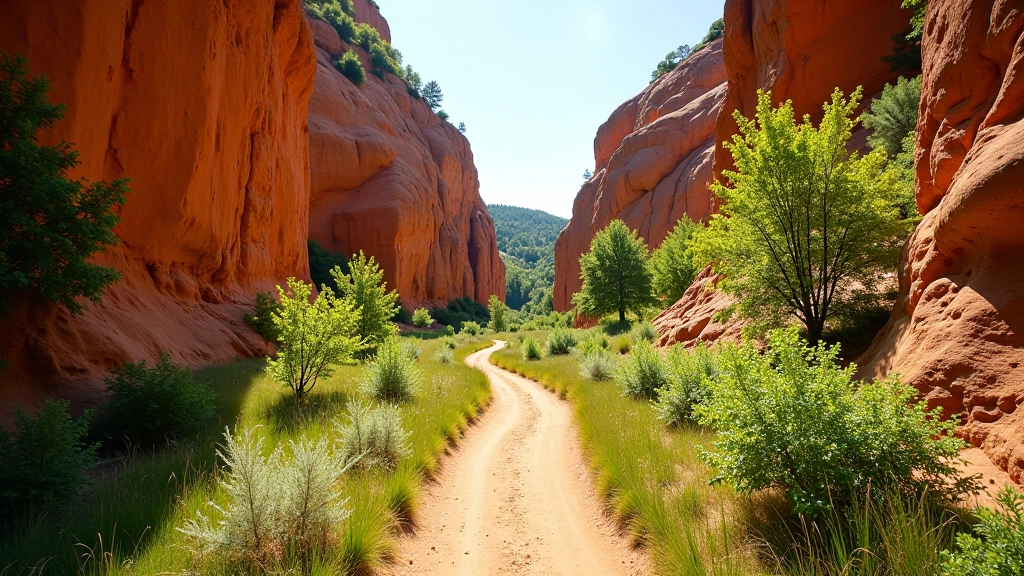
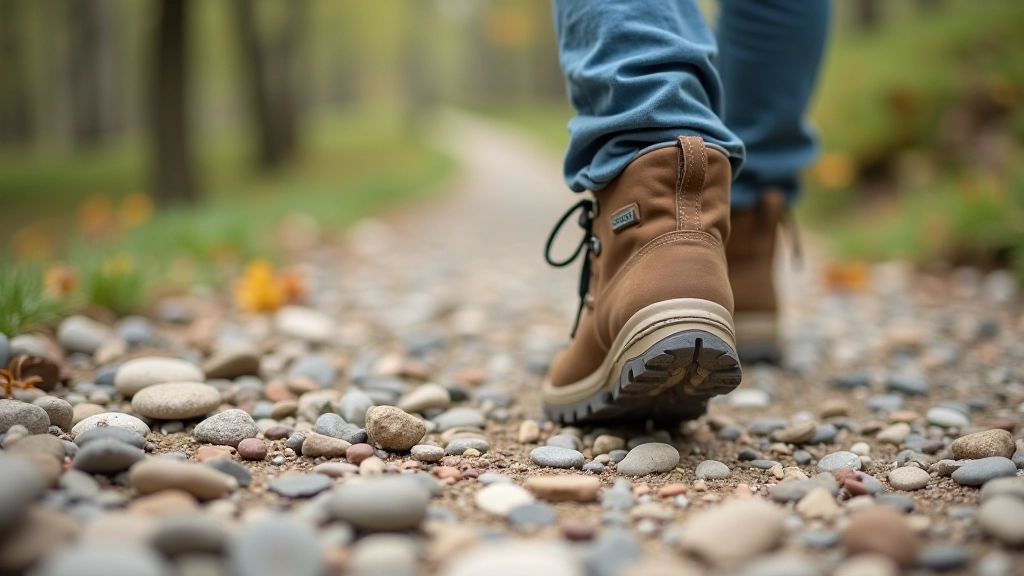
Your shoes make or break a hike. Kokořínsko trails aren't technical — you won't find exposed cliffs or scrambling — but they're rocky and uneven. That means your feet need support, grip, and protection.
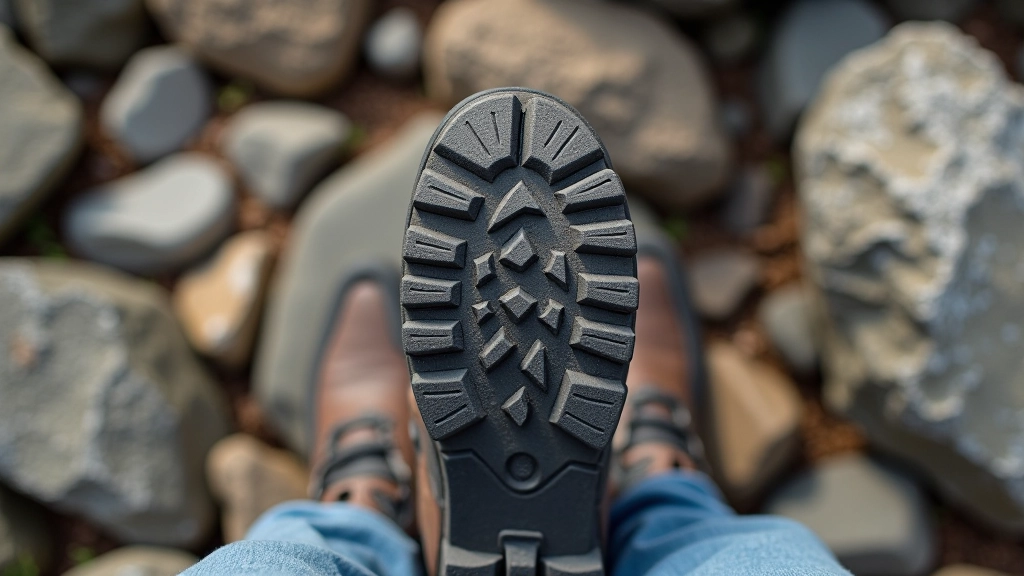
Don't buy hiking boots if you don't already have them. A solid pair of walking shoes or trail trainers works just fine. What you're looking for: ankle support (prevents rolls on loose rock), decent tread (grips wet stone), and cushioning (your knees will thank you after 2-3 hours).
What Makes Shoes Work
- Thick sole with tread pattern (at least 5mm)
- Ankle collar that sits above your ankle bone
- Closed toe — no sandals or open heels
- Break them in before the hike (wear them for a week first)
Water Matters More Than You Think
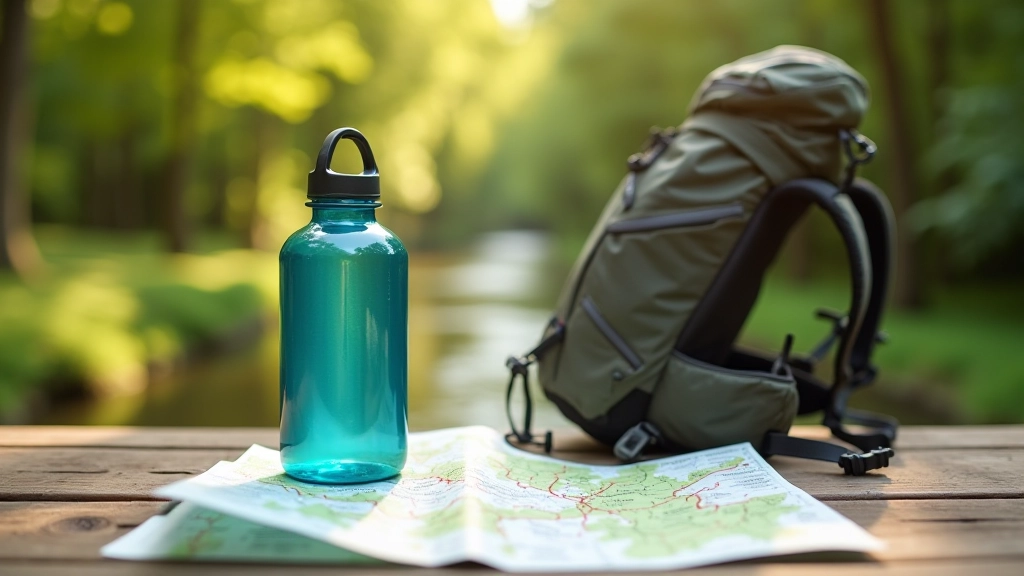
You'll want at least 1.5 liters of water for a standard 2-3 hour hike in Kokořínsko. The gorges don't have streams you can drink from safely, and once you're out there, you're committed. Running out of water isn't just uncomfortable — it's genuinely dangerous when you're older and hiking in warmer months.
Carry it in a basic water bottle or a hydration bladder in your pack. We've seen people bring fancy insulated bottles (nice, but unnecessary) and others with cheap plastic bottles (works perfectly). The point: bring water, and drink it regularly. Don't wait until you're thirsty.
A good rule is drinking every 20-30 minutes, even if you don't feel thirsty. Most people feel tired or dizzy before they realize they're dehydrated.
The Right Layers Keep You Comfortable
Forget expensive technical clothing. Cotton is actually fine for short Kokořínsko hikes. What you want is flexibility — wear something you can move in, and bring a light layer to add if the wind picks up or you stop for a break.
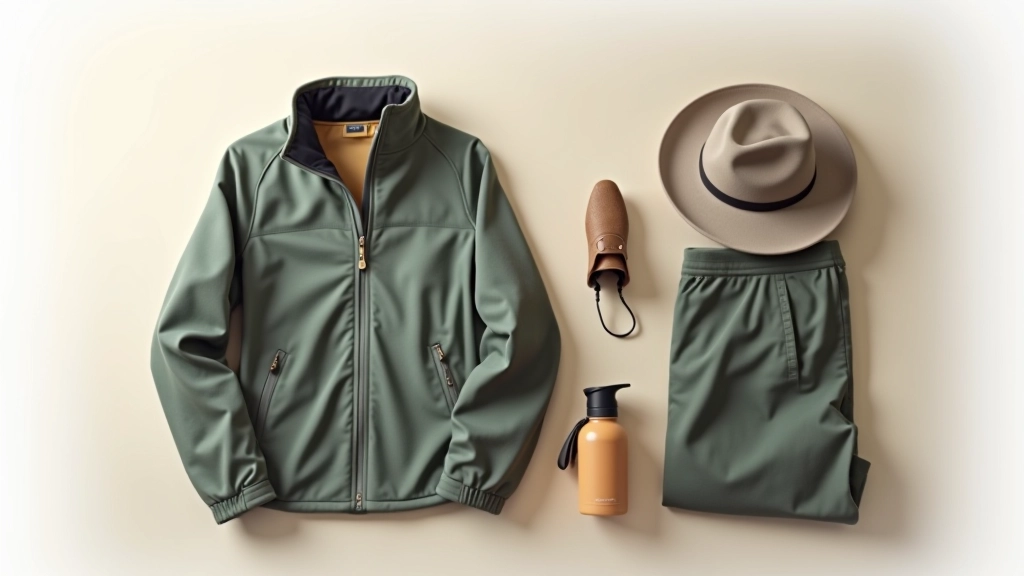
A hat and sunglasses are more important than people think. You're exposed on the trails — there's not much shade in the gorges themselves. Sun exposure adds up quickly, especially in spring and summer. A wide-brimmed hat (not a baseball cap) keeps sun off your face and neck, and sunglasses reduce glare off the stone.
Pack These Essentials
Hat or Cap
Wide brim preferred. Protects face and neck from sun damage.
Light Jacket
Even in summer, bring a windbreaker or fleece for stops.
Comfortable Trousers
Avoid jeans. Stretchy pants or hiking trousers let you move.
A Simple Backpack Handles Everything
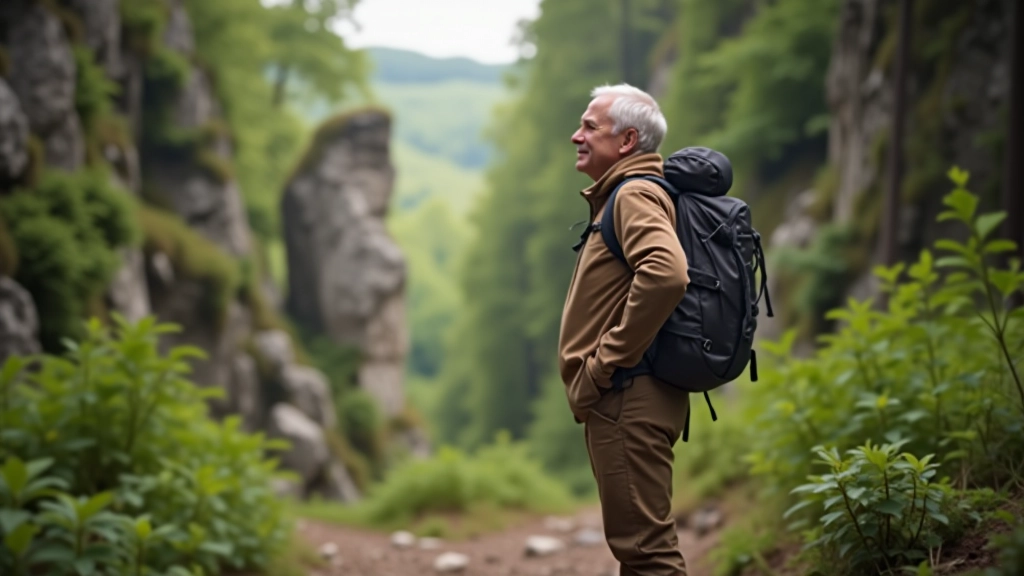
You don't need a massive rucksack. A 15-20 liter daypack holds water, snacks, a light layer, sunscreen, and maybe a small first aid kit. That's genuinely all you need. Keep it light — many people make the mistake of bringing "just in case" items that add weight without purpose.
Look for a pack with padded shoulder straps and a hip belt. The hip belt matters because it transfers weight to your hips instead of hanging everything on your shoulders. Even a cheap pack with a decent hip belt beats an expensive one without it.
Fill it with: water (750ml minimum), snacks (banana, nuts, energy bar), sun cream, a small first aid kit, and your phone. That's your kit. Anything else is weight you're carrying for no reason.
The Truth About Gear
Expensive gear won't make you a better hiker. Good judgment will. That means knowing when to turn back, staying hydrated, and respecting the weather. It means wearing shoes that fit and bring water. Everything else is optional.
We've watched people with €2,000 worth of equipment struggle on easy trails because they didn't prepare properly. And we've watched hikers in basic gear absolutely enjoy themselves because they had the right attitude and the right essentials. Gear is just a tool — you're the one doing the work.
Start with shoes, water, and common sense. Everything else you'll figure out as you go.
Important Note
This article provides educational information about hiking equipment and preparation. Individual circumstances vary — fitness levels, medical conditions, and personal comfort needs are different for everyone. Always consult with your doctor before starting any new physical activity. Weather conditions change rapidly in mountain areas, so check forecasts and adjust your plans accordingly. Hiking carries inherent risks. You're responsible for assessing conditions, making safe choices, and knowing your own limitations.