Seasonal Planning
Best Times to Visit: Seasonal Guide for Easy Walking
Spring and autumn offer perfect conditions — mild temperatures and fewer crowds. We explain what to expect each season and when to avoid the trails.

Spring: The Perfect Starting Point
April and May are honestly the best months to hit the trails around Kokořínsko. Temperatures sit between 12-18°C, which means you're not overheating on the climbs but you're also not freezing in the shade. We've found that most seniors prefer these conditions — cool enough for comfort, warm enough that you don't need heavy layers.
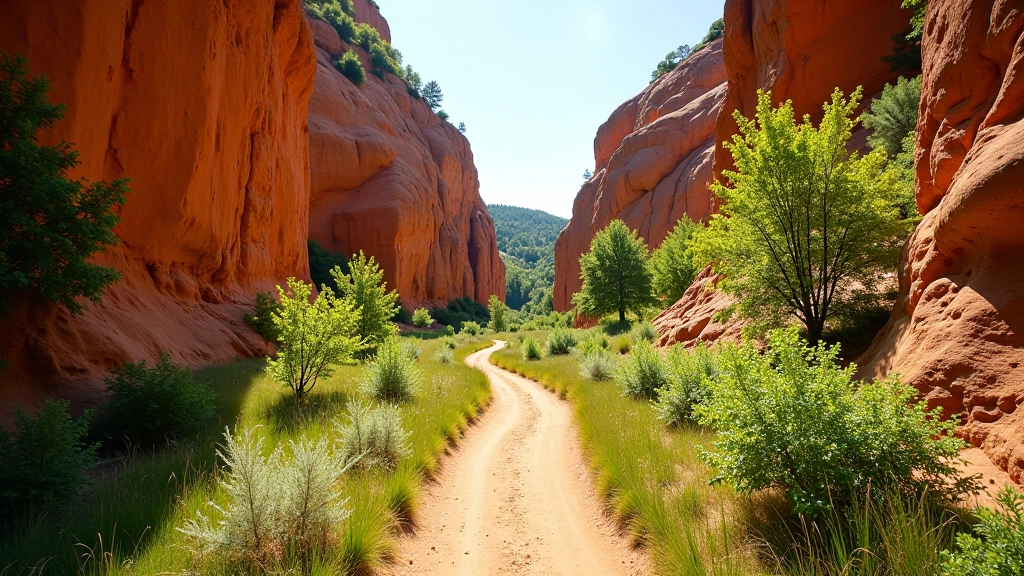
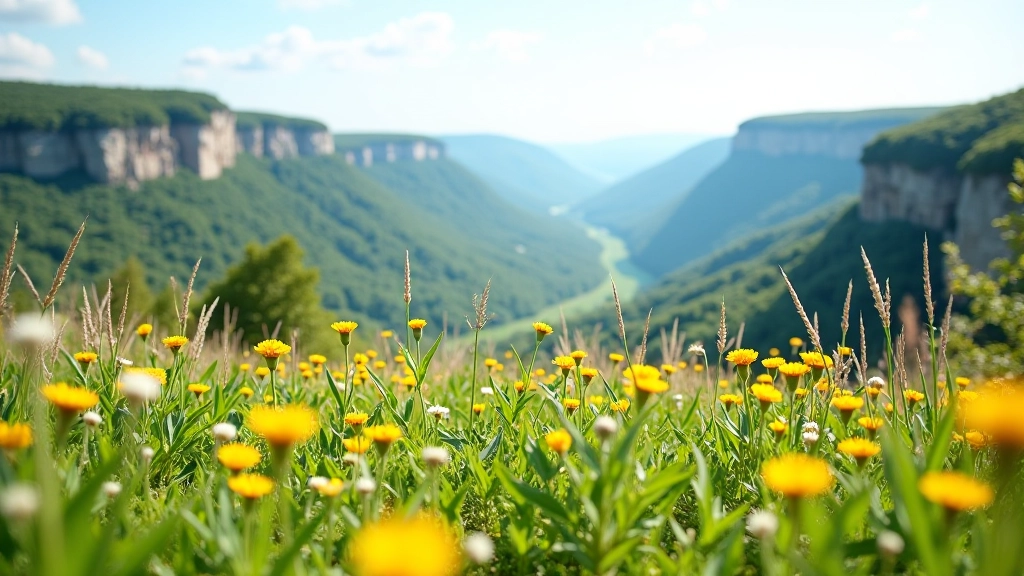
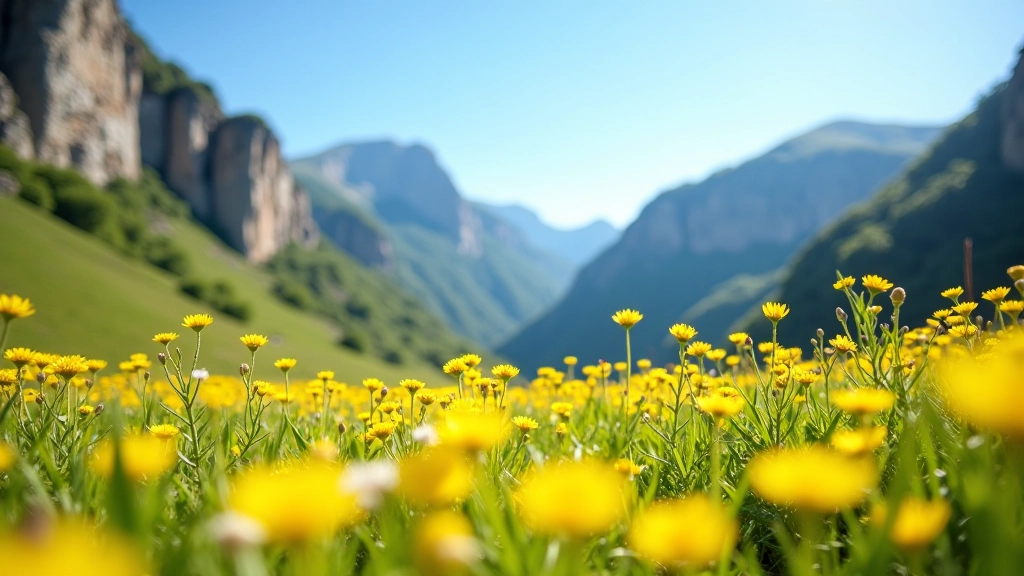
The wildflowers are incredible. You'll see yellow blooms covering the meadows, and the gorge itself looks completely different than in winter. More importantly, the trails dry out properly after snowmelt. Nobody likes muddy paths that could be slippery.
Crowds are moderate in spring. You won't have the summer rush, but you'll still see other walkers. That's actually a safety benefit — if something happens, there's usually someone around. The parking areas at trailheads fill up on weekends, but weekdays are quiet.
Summer: The Trade-Offs
June through August brings the crowds. The gorge becomes busy, especially on weekends, and you're sharing narrow paths with lots of other people. That said, if you hike early — we're talking 7 or 8 in the morning — you'll have the trails mostly to yourself for the first few hours.
The heat can be challenging. Temperatures regularly hit 25-28°C, and some of the more exposed sections offer zero shade. You'll need to bring more water than in spring. Sunscreen becomes essential, not optional. The good news? Everything's completely dry. No mud, no slippery rocks. The terrain is stable and safe underfoot.
Autumn: Our Top Recommendation
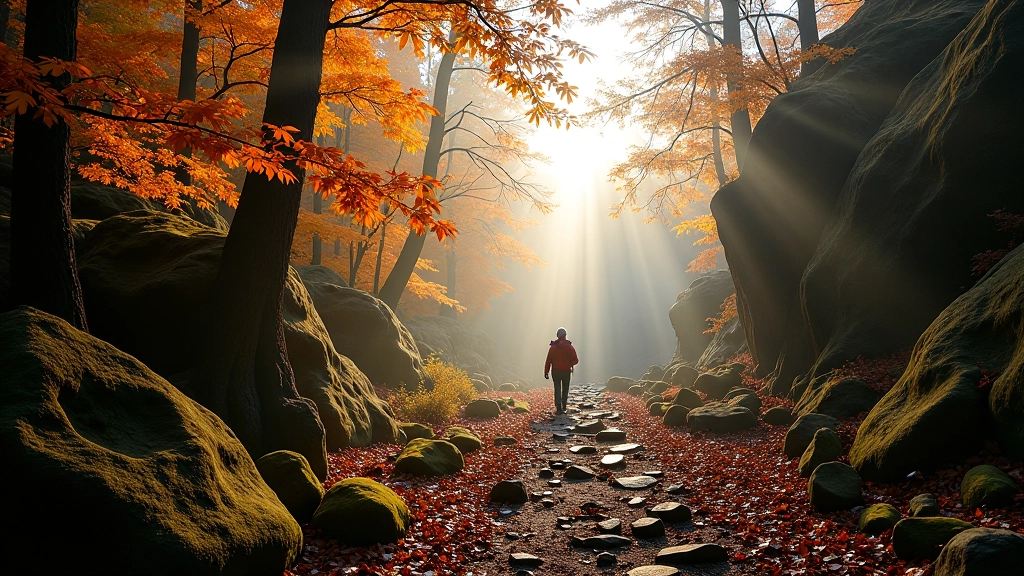
Honestly, if we had to pick one season for most people, it'd be September and early October. The conditions are nearly identical to spring — temperatures 12-18°C again — but the landscape looks completely different. The leaves start turning golden, and the whole gorge has this warm, rich color to it.
Autumn draws fewer people than summer but more than winter. You'll encounter hikers, but you won't feel crowded. The trails are dry and stable. The air is clearer than in summer, so the views from the higher points are sharper. Most important: you don't get the intense heat that makes climbing exhausting.
One thing to watch — daylight gets shorter. By early November, you've only got about 9 hours of good light. If you're planning a longer walk, start early in the day. We typically recommend heading out by 8:30 AM to give yourself plenty of time before dusk.
Winter: Plan Carefully
December through February requires different thinking. It's not impossible to hike in winter — we do it all the time — but you need to be more cautious and better prepared.
1
Ice and Slippery Surfaces
The gorge gets icy, especially on north-facing slopes that don't get much sun. Shaded sections stay frozen most of the day. We've seen people slip on what looked like dry ground. Microspikes or hiking crampons aren't optional — they're essential.
2
Limited Daylight Hours
You've got roughly 8 hours of daylight in December. If you leave at 9 AM, you're looking at dusk by 5 PM. That leaves little margin for unexpected delays. Headlamps become important — make sure you bring one, even if you don't think you'll need it.
3
Cold Weather Gear
Temperatures hover around 0-5°C, sometimes dropping below freezing. Layer properly — moisture-wicking base layer, insulating middle layer, windproof outer layer. Gloves and a warm hat are non-negotiable. Wet hands and a cold head make everything miserable.
4
Tell Someone Your Plans
In winter, it's smart to leave word with someone about which route you're taking and when you expect to be back. If something goes wrong — a slip, an injury — rescue teams need to know where to look. Don't be shy about it.
Quick Season Comparison
Season
Temperature
Crowd Level
Best For
Spring
12-18°C
Moderate
Wildflowers, dry trails
Summer
25-28°C
High
Early morning hikes
Autumn
12-18°C
Low-Moderate
Foliage, clear views
Winter
0-5°C
Low
Experienced hikers only
Practical Tips for Every Season
Whatever season you choose, there's a few things that don't change. Always bring water — yes, even in cool weather, you need it. Aim for at least 1-2 liters depending on the length of your walk. The sandstone doesn't offer much shade, so sun exposure happens regardless of temperature.
Check the weather forecast the night before and the morning of your hike. Conditions in the gorge can shift quickly. A clear morning might turn cloudy by noon. If you see thunderstorms predicted, reschedule — being on exposed high ground during lightning isn't worth it.
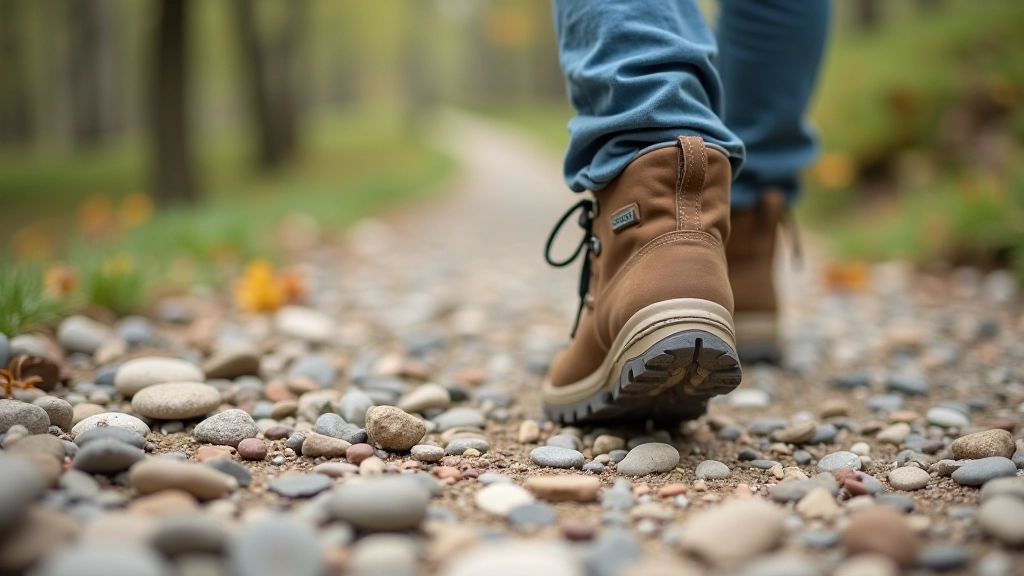
Wear proper hiking boots or shoes with good grip. The terrain isn't particularly technical, but loose rocks exist everywhere. Ankle support matters, especially if you're recovering from an injury or you're not as steady on your feet as you used to be.
The Bottom Line
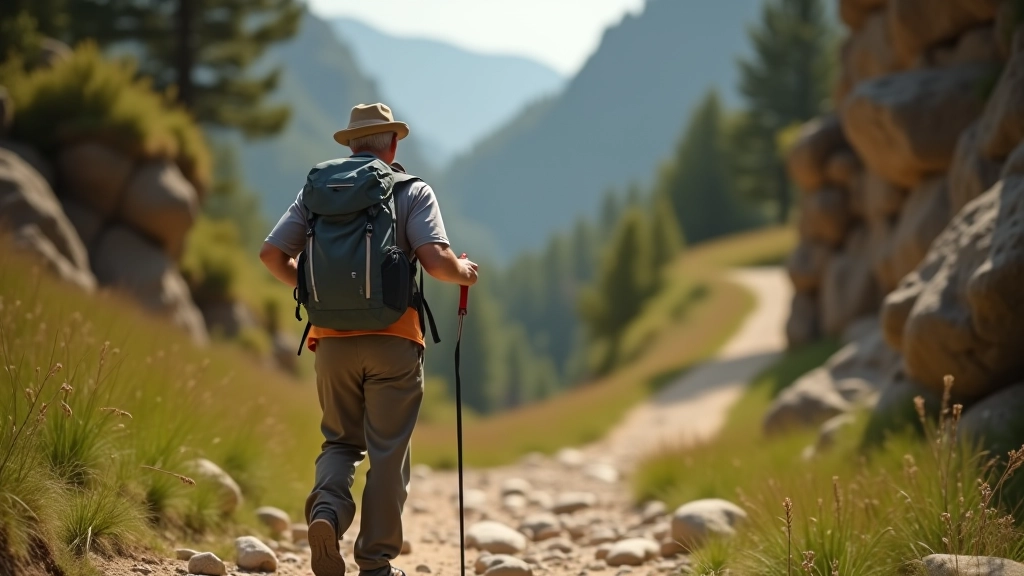
Spring and autumn are genuinely the sweet spot for hiking in Kokořínsko if you're looking for comfort and manageable conditions. You're not battling heat or ice. The terrain is stable. The crowds are reasonable. If you're new to hiking or you're getting back into it after time away, these seasons give you the best chance to enjoy the experience without pushing too hard.
Summer works if you're an early riser and you don't mind the heat. Winter is possible, but it demands respect and better gear. And honestly, there's nothing wrong with sticking to the seasons that feel right for you. Not everyone wants to hike in winter, and that's completely fine. The gorge isn't going anywhere — you can explore it when conditions suit your comfort level.
Important Notice
This article is provided for informational and educational purposes. Conditions in Kokořínsko change seasonally and can vary from year to year. Always check current weather forecasts, trail conditions, and local advisories before heading out. If you have health concerns or haven't hiked in a while, consider consulting with a healthcare provider. This guide describes general seasonal patterns, but your personal fitness level, experience, and comfort should guide your decisions. Stay safe and hike responsibly.
More from Senior Hiking