
Gorge Walk: The Most Popular Beginner Route
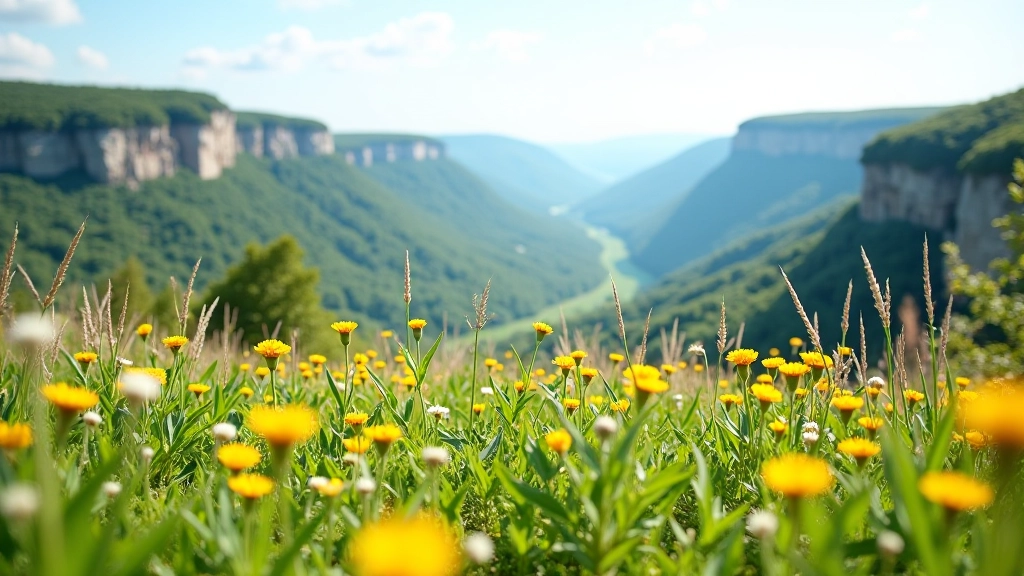
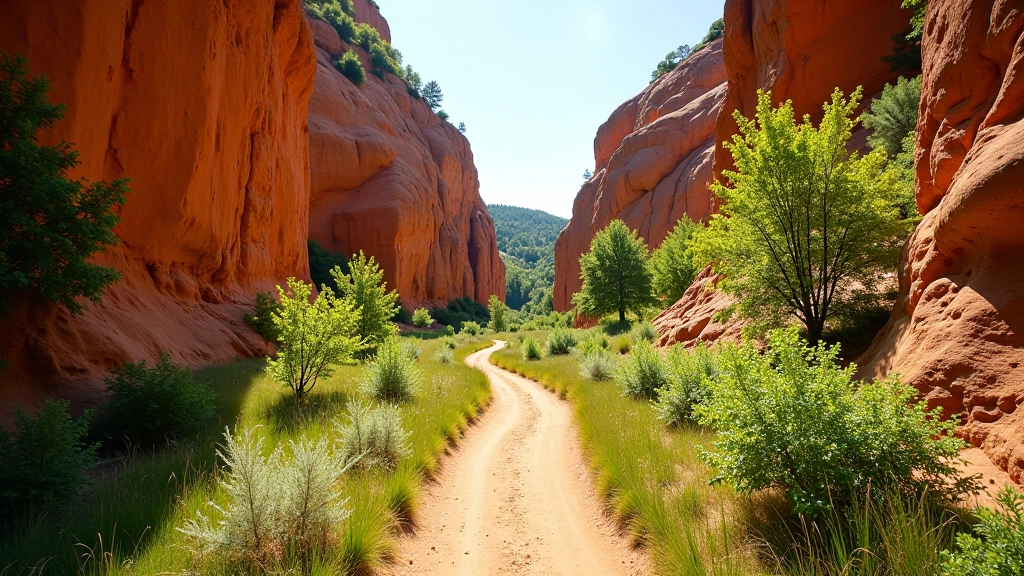
A gentle 6 km loop with stunning rock views. Most hikers finish in 2-3 hours wit...
Tips for pacing, hydration, footwear, and recognizing when to take breaks. We've covered the essentials beginners often skip.
The biggest mistake we see on the trail isn't poor fitness — it's impatience. You don't need to match someone else's pace. The goal isn't speed. It's finishing feeling good, not exhausted.
We recommend the "talk test" method. You should be able to hold a conversation while walking. If you're breathing too hard to speak, you're pushing too fast. Slow down. It sounds simple, but it's genuinely the most important safety technique we teach.
Plan for 2 km per hour on gentle terrain. That's realistic for mixed-age groups. On Kokořínsko trails, most routes take 2-3 hours including a break. Don't rush it. Stop often. The view doesn't go anywhere.
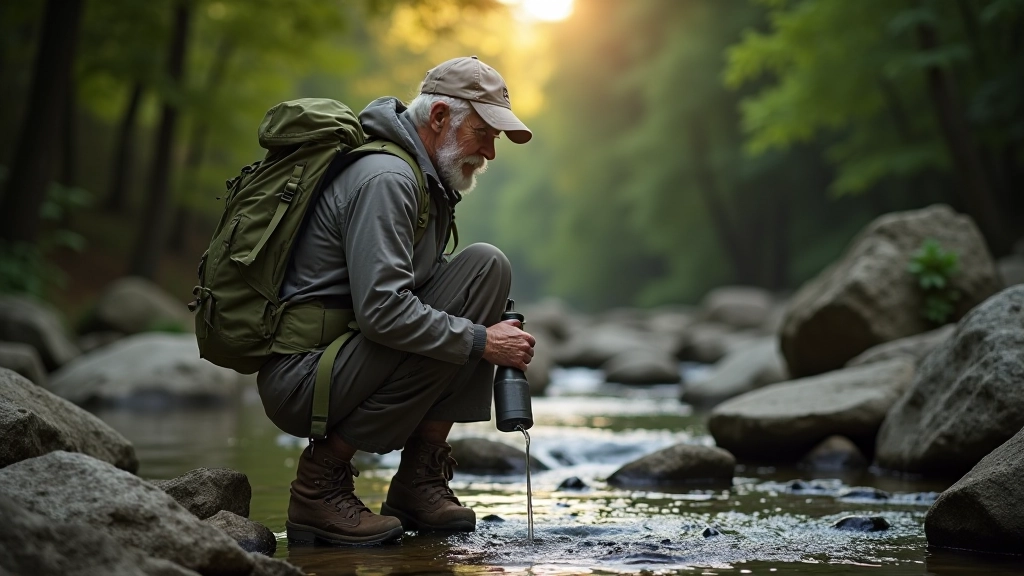
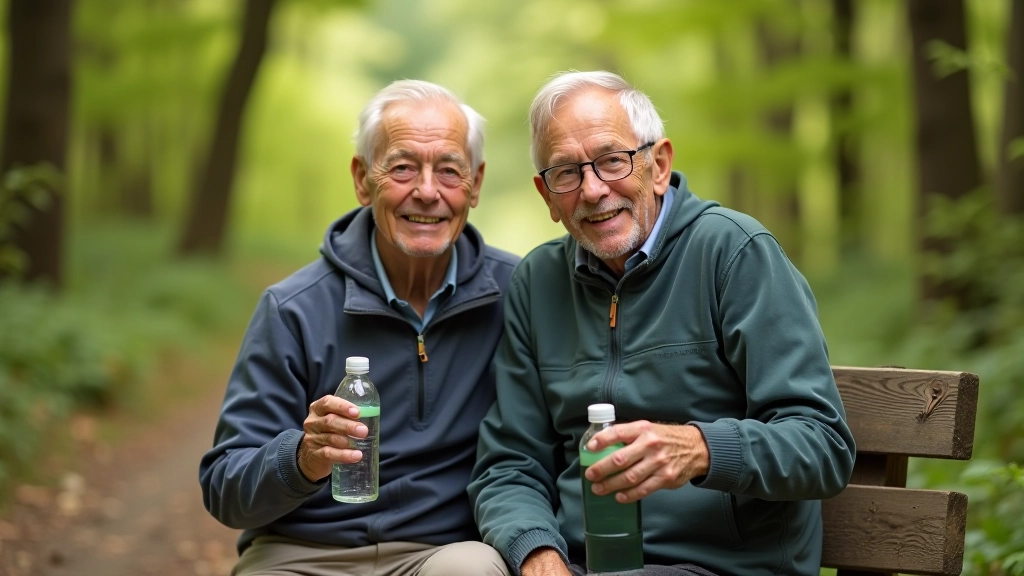
Dehydration sneaks up on you. You might not feel thirsty until it's a problem. Bring at least 1.5 liters of water. That's two standard water bottles. More if it's warm.
Drink before you feel thirsty. Every 20-30 minutes, take a few sips. It's not about chugging water. It's about staying consistently hydrated throughout the hike. We've found that most people wait too long between drinks.
Pro tip: Bring electrolyte tablets or a sports drink mix. Water alone doesn't replace salts your body loses through sweat. A small pinch of salt in your water, or a diluted sports drink, makes a real difference on longer hikes.
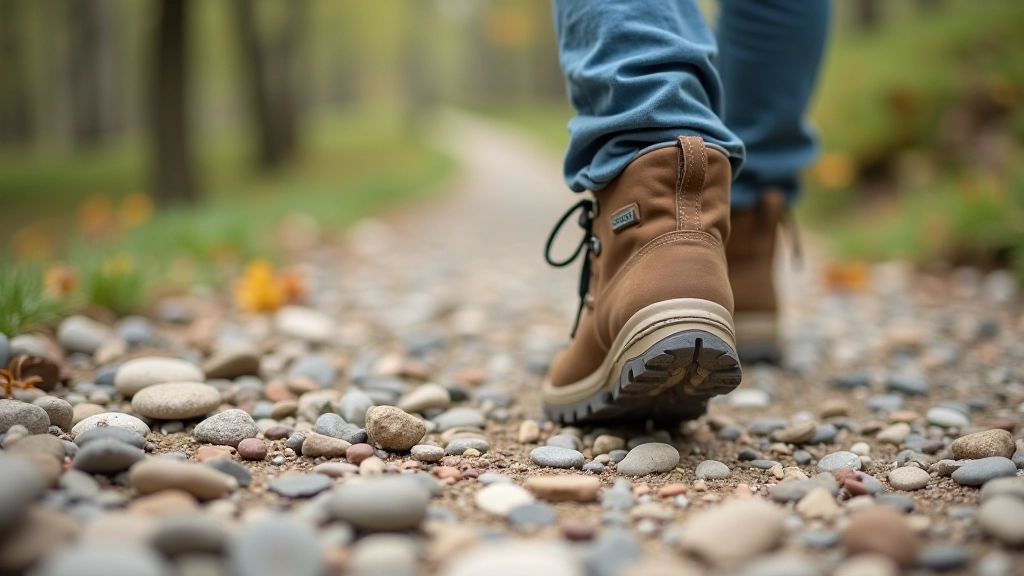
Don't hike in running shoes. Don't hike in casual sneakers. Your feet are your foundation. If they're uncomfortable after 30 minutes, the next 2 hours will be miserable.
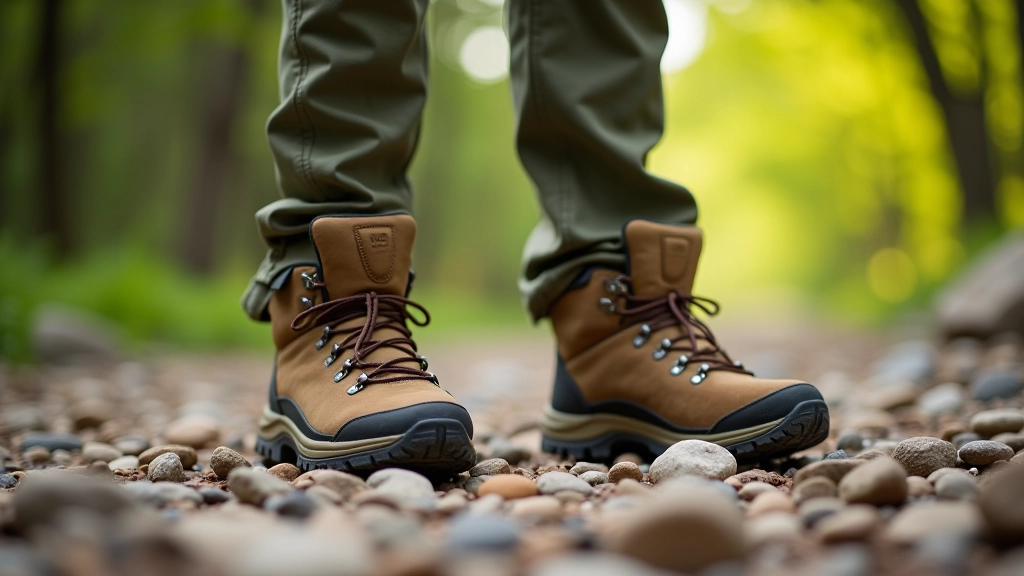
Invest in proper hiking boots with ankle support. They don't need to be expensive or heavy — modern lightweight boots work great. The key is ankle stability and a thick sole that protects against rocks. On Kokořínsko's rocky terrain, a good sole prevents foot fatigue.
Wear two pairs of socks: a thin synthetic liner under a wool or wool-blend hiking sock. This prevents blisters better than anything else. Break in new boots at home first. Wear them on short walks for a week before tackling a 2-hour trail.
Check your feet regularly. Stop and inspect for blisters forming. A blister at 30 minutes in becomes torture by hour two. Prevention is much easier than treatment on the trail.
Rest is part of the hike. It's not something to rush through or feel embarrassed about. Build breaks into your plan from the start.
We recommend a 10-minute break every 45 minutes. Sit down. Actually rest. Don't just stand there looking at your phone. Eat a small snack — fruit, nuts, a granola bar. Your muscles need fuel.
Pay attention to how you feel during breaks. Is your breathing returning to normal? Are your legs feeling recovered? If you need longer breaks as the hike goes on, that's fine. Take them. Listen to your body. If something feels wrong — sharp pain, dizziness, unusual fatigue — stop. Turn back if needed. The trail will be there next week.
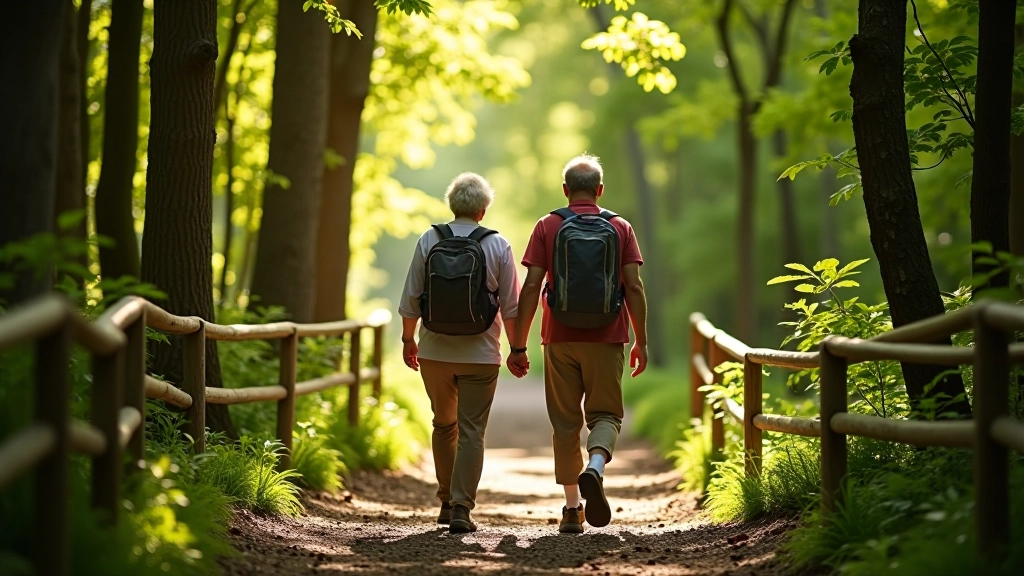
We work with hikers aged 55 to 85. Everyone has different capabilities. What matters is knowing yours.
Start with easier routes. The Gorge Walk loop is perfect for first-timers — it's 6 km, mostly flat, with good handrails. Do that before attempting anything more ambitious. Once you know how your body responds to hiking, you can challenge yourself appropriately.
Keep a simple hiking journal. Note the route, distance, how you felt, any aches afterward. After 3-4 hikes, you'll have a clear picture of your current fitness. This isn't about competition. It's about safety.
The most important thing: Tell someone where you're going. Leave a note with the trail name and expected return time. If something goes wrong, rescuers know where to look. Don't be the person who gets lost because no one knew which route you took.
1.5+ liters of water, snacks for energy, electrolyte if possible
Hiking boots with ankle support, broken in beforehand
Sunscreen, hat, sunglasses for eye protection
Fully charged phone, tell someone your route & timing
Trail map or downloaded offline map on phone
Medications with you, tell companion about any conditions
Safety on the trail comes down to preparation and honesty. Prepare properly — good boots, enough water, realistic route planning. Be honest about your current fitness level. Don't compare yourself to others. Don't push through pain.
We've guided hundreds of seniors on Kokořínsko trails. The ones who enjoy themselves most are those who slow down, take breaks without guilt, and focus on the experience rather than the destination. The views aren't going anywhere. Neither are you — so take your time.
Start with an easy route. Build your confidence. Learn what your body can do. Then, with that knowledge, explore more challenging trails. That's how you stay safe and keep enjoying the outdoors for years to come.
This article provides general hiking safety information for educational purposes. It's not a substitute for professional medical advice. Before starting any new physical activity, consult with your doctor, especially if you have existing health conditions or take medications. Trail conditions vary seasonally — always check current conditions before hiking. Hiking inherently involves risks. You're responsible for assessing your own fitness level and the suitability of any route. When in doubt, choose an easier route or go with an experienced guide.